Slough Restoration Project

Apalachicola Riverkeeper Completes Historic Slough Restoration Project

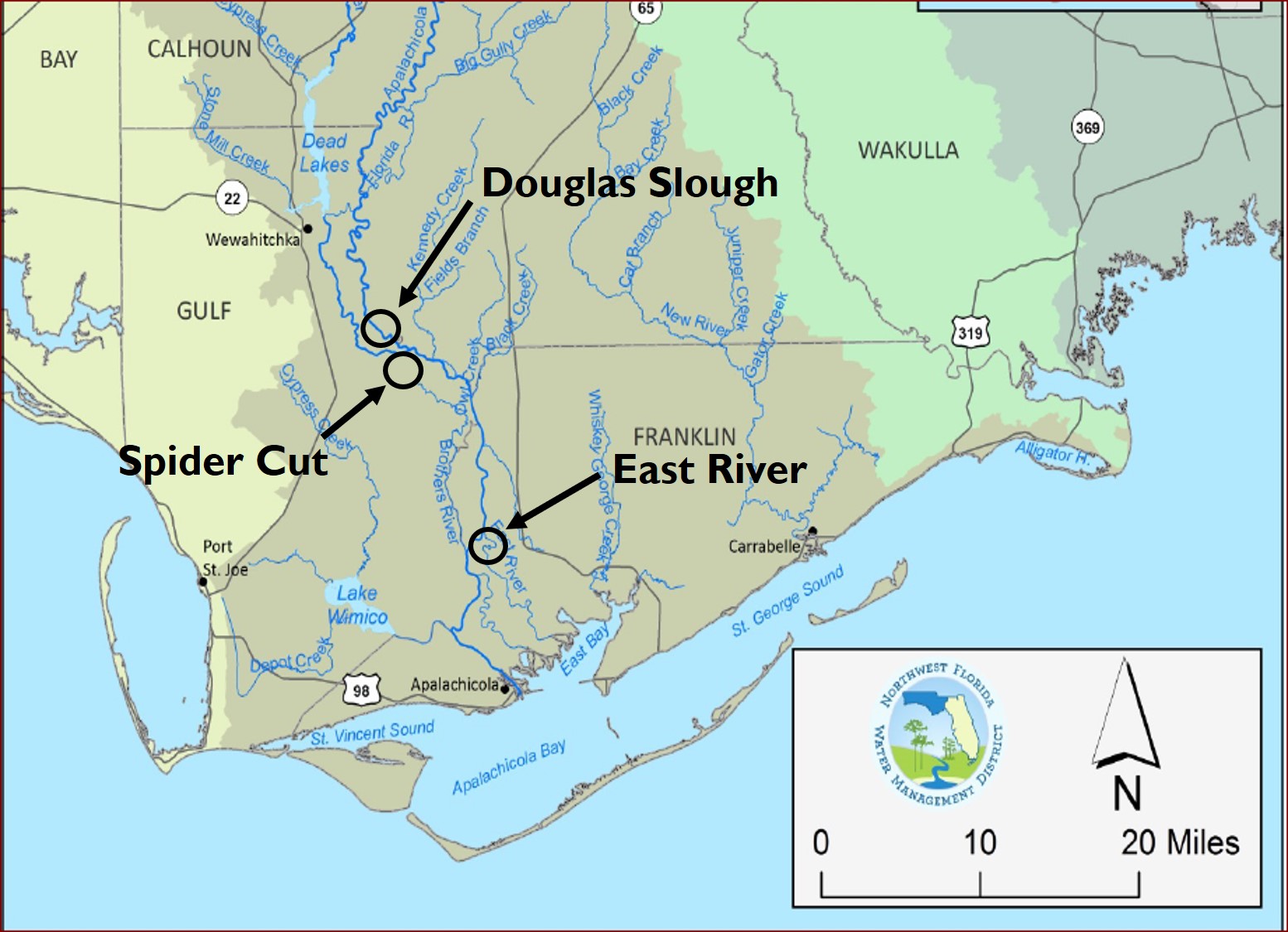
The historic $4.7 million Apalachicola River slough restoration project, begun in 2020, has been completed. Funded through Apalachicola Riverkeeper with a grant from the National Fish and Wildlife Foundation, three sloughs were targeted: East River, Douglas Slough, and Spiders Cut.

The East River, located about 14 miles upstream of the John Gorrie Bridge in Apalachicola, takes a share of the flow from the main river and eventually empties into the biologically rich East Bay, still the most productive portion of Apalachicola Bay. Though, historically, this section was even more productive than it is today. One of the main goals of the Slough Restoration Project was to restore historic flow patterns in the East River by removing sediment that built up in the slough’s mouth and throughout its course because of the decades long commercial navigational dredging projects of the United States Army Corps of Engineers along the main channel of the Apalachicola River.

Removing sand deposits from the East River increases vital freshwater flow and essential nutrients to the northernmost and most productive sections of East Bay, especially during low water periods. The sand removed by Apalachicola Riverkeeper was taken by barge and trucked to old borrow pits on land outside the river’s floodplain for disposal, and some sand was also made available to local governments for projects such as road construction.

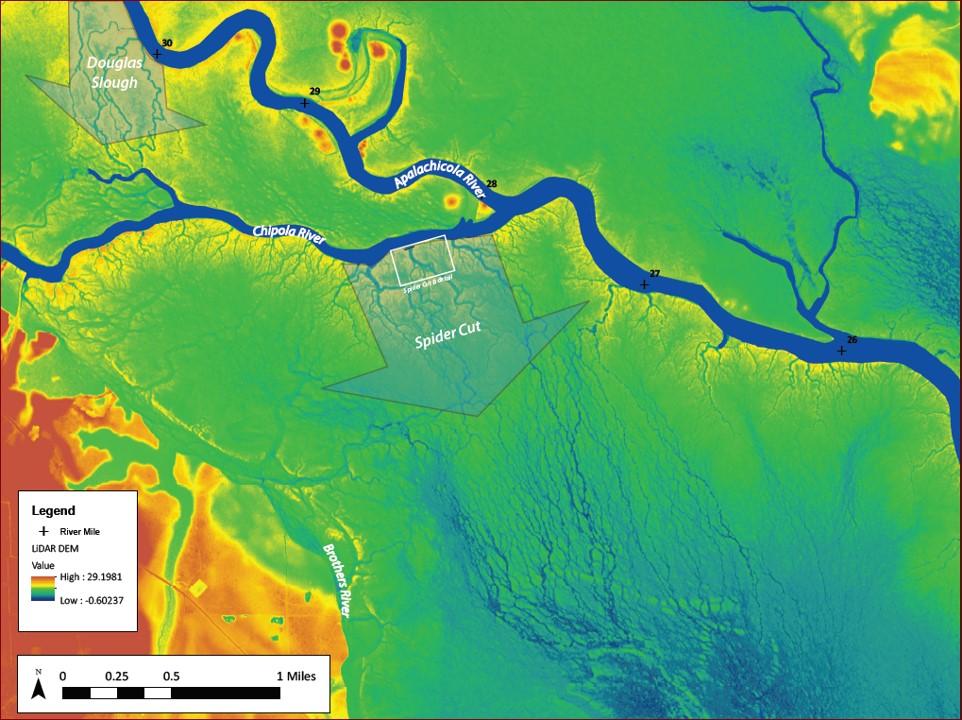
Two other key sloughs were part of the initial slough restoration project: Douglas Slough, which connects the Apalachicola River to the Chipola River, and Spider’s Cut, which connects the Chipola River to the Brothers River. These sloughs circulate freshwater through a larger connected system.  More water flowing through Douglas Slough and Spiders Cut means more water in the wider river floodplain, and this means a greater chance for tupelo gum trees to survive and thrive, benefiting the tupelo honey industry. The lower Apalachicola River Basin has the largest concentration of tupelo trees in the world.

“This work is essentially bypass surgery for the river,” said Apalachicola Riverkeeper Cameron Baxley. “When sand plugs block the flow of sloughs during drought, the floodplain is literally dying of thirst. These sloughs are the veins and arteries that keep the ecosystem alive. Reconnecting them allows water to circulate again, delivering oxygen, habitat, and resilience when it’s needed most.”

Project manager for the Slough Restoration Project, Ken Jones, added, “Healthy floodplains are important as an ecosystem in itself and are a critical part of a healthy bay. Without slough restoration, flows remain solely within the banks of the main river during low flow, and the transport of nutrients is cut off from the bay. Loss of nutrients means reduced food sources for oysters, blue crabs, and fish. Restoring the sloughs, naturally routes river water through the swamps and maintains the processes that feed the bay.”

Former longtime Riverkeeper Dan Tonsmeire searched fourteen years for funds before the grant was secured. He then worked as the project’s on-site construction coordinator, living on a houseboat at the work areas. “The slough restoration does more than help the ecological balance return to the river, floodplain and bay,” he said.  “The local jobs, educational opportunities, and benefits to local governments from the use of the sand removed from the sloughs were specifically intended to help bolster our local economy damaged when our oyster industry collapsed, something that also affected the crab and finfish fisheries. These projects offer the beginning of a recovery of the bay and seafood industry. Restoring our river, floodplain, bay, and seafood industry can be the upcoming generations’ work.”

Over $3.6 million for construction on slough restoration was spent locally with contractors and vendors from Franklin, Gulf and Bay counties. Franklin and Gulf Counties also received thousands of truckloads of clean sand for local uses.

Dr. Matt Kondolf, who specializes in hydrology, environmental planning, and river restoration, was an integral part of the project from the beginning. “It’s been 25 years since the end of navigational dredging, and we can now document that the river is recovering from those impacts,” he said. “We now have a unique opportunity to begin restoring the slough network and its connections to the main river channel, thereby bringing back the rich fishery that formerly existed in the sloughs, and enhancing the delivery of nutrients and organic material to the Apalachicola Bay, where they support the Bay’s fisheries.”

Aligning with the overall mission of Apalachicola Riverkeeper, the impact of this historic slough restoration project is manifold, bringing economic stimulus to the people whose livelihoods depend on the Apalachicola River by protecting and preserving the ecology and hydrology that the whole river system depends upon.

Other members of the core project team included Cameron Baxley, Michael Gangloff, Love Kumar, John Tracy, Andrew Gannon, Melissa Samet, Ajay Sharma,  Scott Walls, and local subcontractors First Line Coastal and Fishhunter Enterprise.
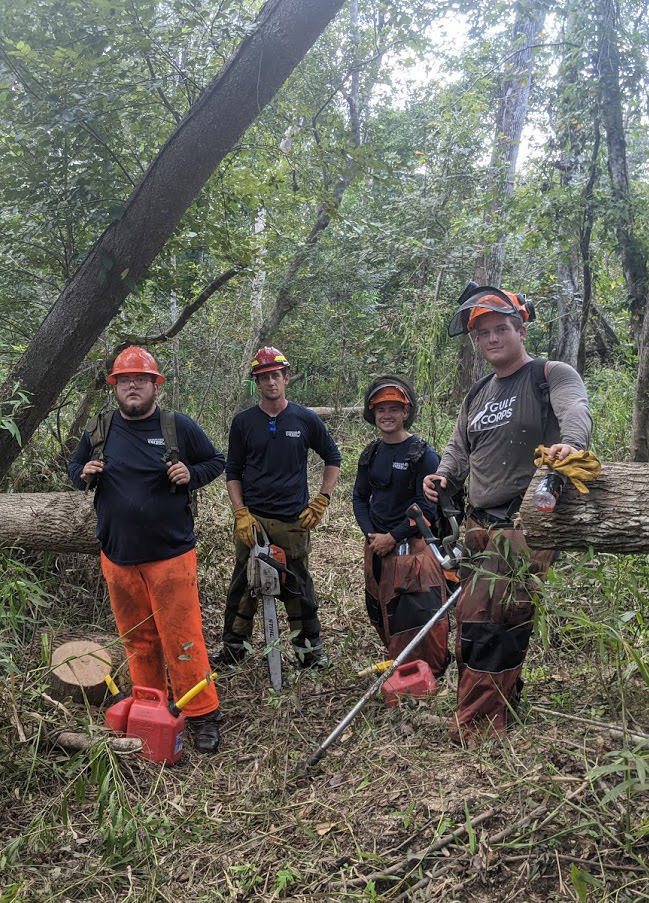
Gulf Corps team clearing an access path along Spider’s Cut. Photo by Scott Walls.

Video of detailed project update by project manager Ken Jones (August 2021)

Apalachicola Slough Restoration: Getting More Water to Swamps, Bay, WFSU Ecology Blog (May 18, 2021)

Video overview by project manager Ken Jones (Dec. 2020)

Dr. Michael Gangloff presentation on Freshwater mussels of the lower Apalachicola and Chipola Rivers – a diverse and imperiled fauna (March 2021). 


Slough Restoration Project Blogs

Cypress Planting on Spider’s Cut Slough, Feb. 2026

East River Slough Restoration with Conservation Pathways Interns, Dec. 2025

Collecting Tupelo Seeds along Spider’s Cut, Sept. 2025, Part One and Part Two

Apalachicola River Restoration Work in Progress, June 2025

Forest, Floodplain, Fisherman Benefit from Slough Restoration, July 2024

How Water Moves

Notes from the Field, Spring 2022

Notes from the Field, November 2021

Slough Restoration Project Advances

Spring Fish Survey Concludes

Notes from the Field: Tupelo, Transects and Poison Ivy

Core Sampling at Spiders Cut

Surveying Fish in Douglas Slough

Notes from the Field

Mussels and Core Samples

Slough Recon Trip

Collecting Sonar Data for the Slough Restoration Project

Of Downed Trees, Vines and Rising Waters: Report from the Slough Team

Apalachicola Ecosystem Distress Signals (background on anthropogenic changes to the Apalachicola river system)

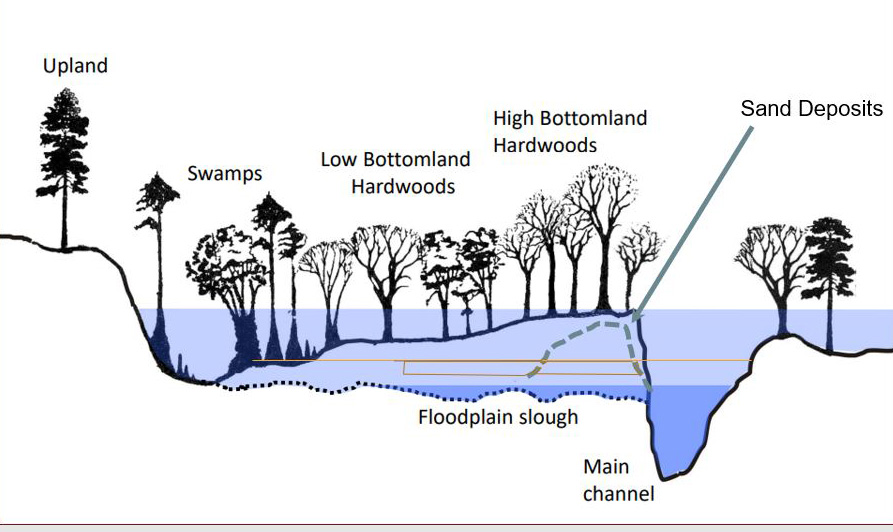
 

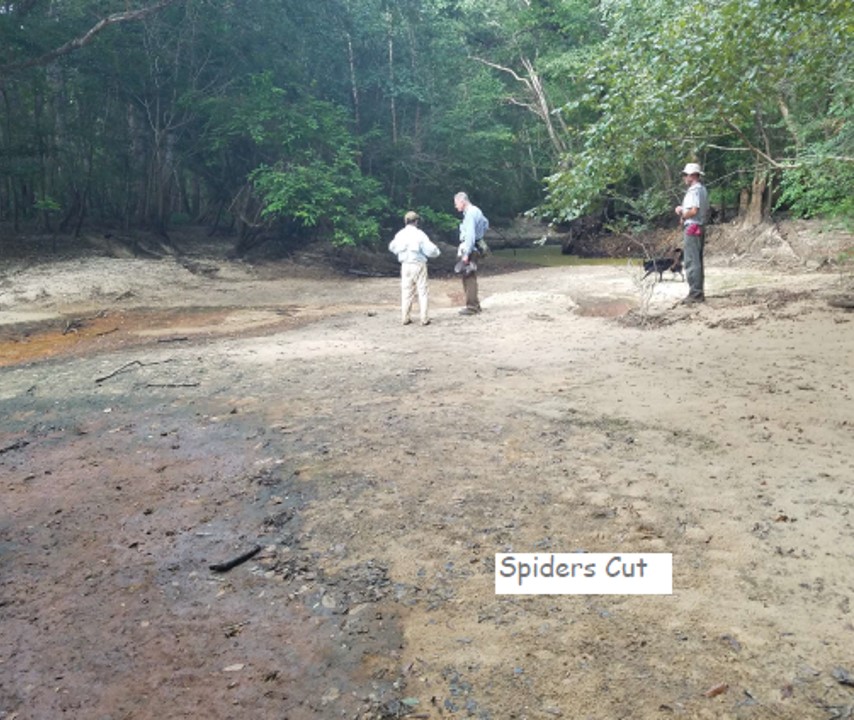
This sand at the entrance of Spider’s Cut blocks flow during low to medium water levels
Clearing fallen trees from Spider’s Cut
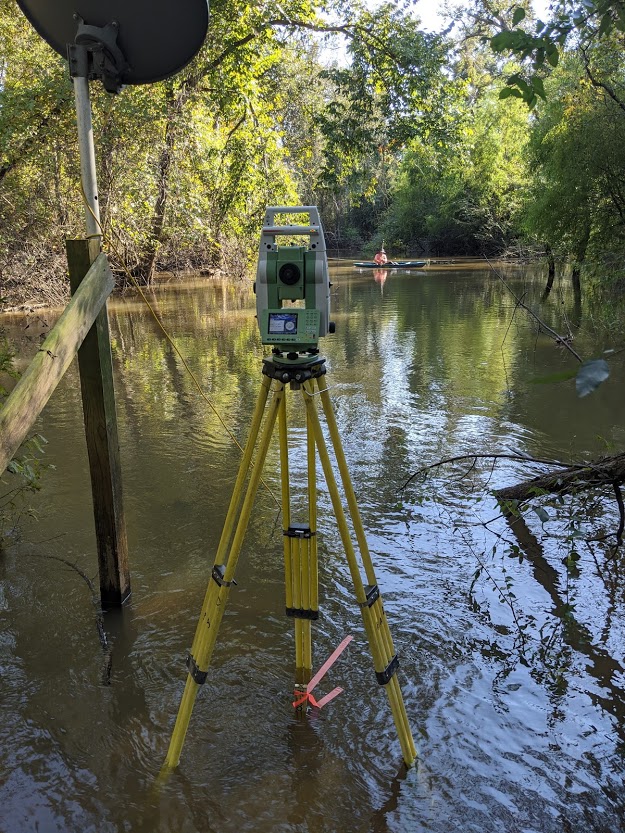
The team is doing bathymetry or underwater contours along the sloughs to make a bathymetric map to calculate how much sediment to remove. Photo by Scott Walls.
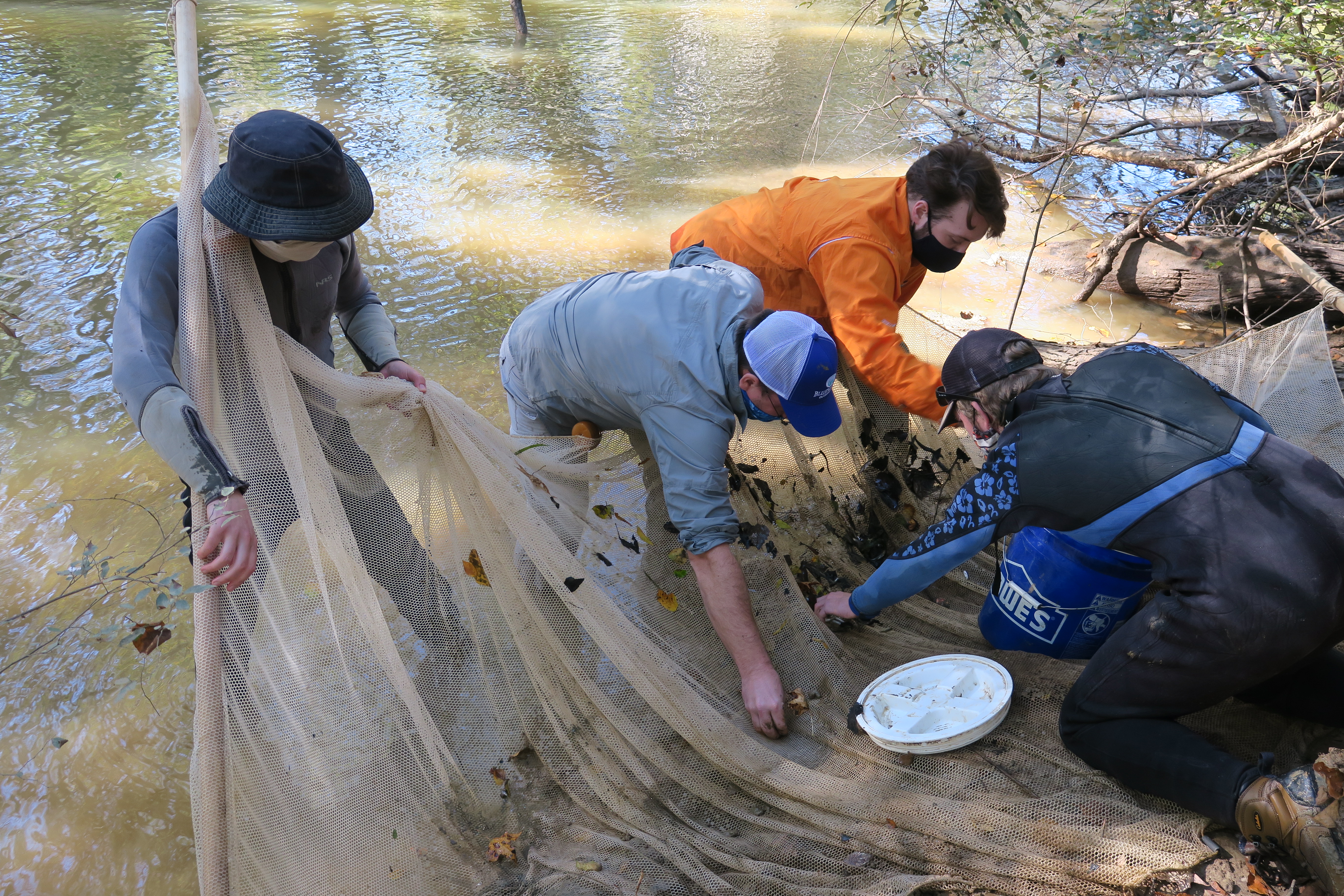
The fish survey team retrieves fish from a seine net in Douglas Slough, by Doug Alderson
Vegetative survey transect, by John Tracy
Spider’s Cut Slough after restoration, Doug Alderson.
Shopping Cart
Scroll to Top